Blending modern and vintage furniture creates a space that feels curated, timeless, and full of personality. When done right, this mix adds depth, contrast, and a sense of history to your home. Here’s how to master the balance:
1. Start with a Neutral Foundation
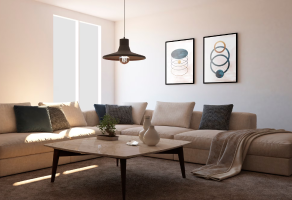
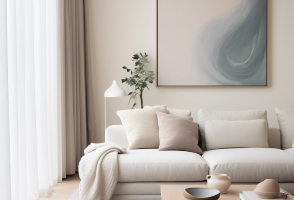
A neutral backdrop (white, beige, or gray walls and flooring) allows both modern and vintage pieces to shine without clashing. This creates a cohesive canvas where different styles can harmonize.
- Example: Pair a sleek modern sofa with an antique wooden coffee table.
2. Play with Contrast
Juxtapose clean lines with ornate details for visual interest.
- Modern + Ornate Vintage: A minimalist dining table with Baroque-style chairs.
- Sleek + Textured: A glossy modern sideboard next to a distressed vintage mirror.
3. Stick to a Unified Color PaletteEven if styles differ, a consistent color scheme ties everything together.
- Tip: Use muted tones (blacks, whites, tans) as a base, then add pops of color through art or decor.
4. Balance Proportions
Avoid overcrowding by mixing larger modern pieces with smaller vintage accents (or vice versa).
- Example: A bulky mid-century armchair pairs well with a slim, contemporary side table.
5. Layer Textures & Materials
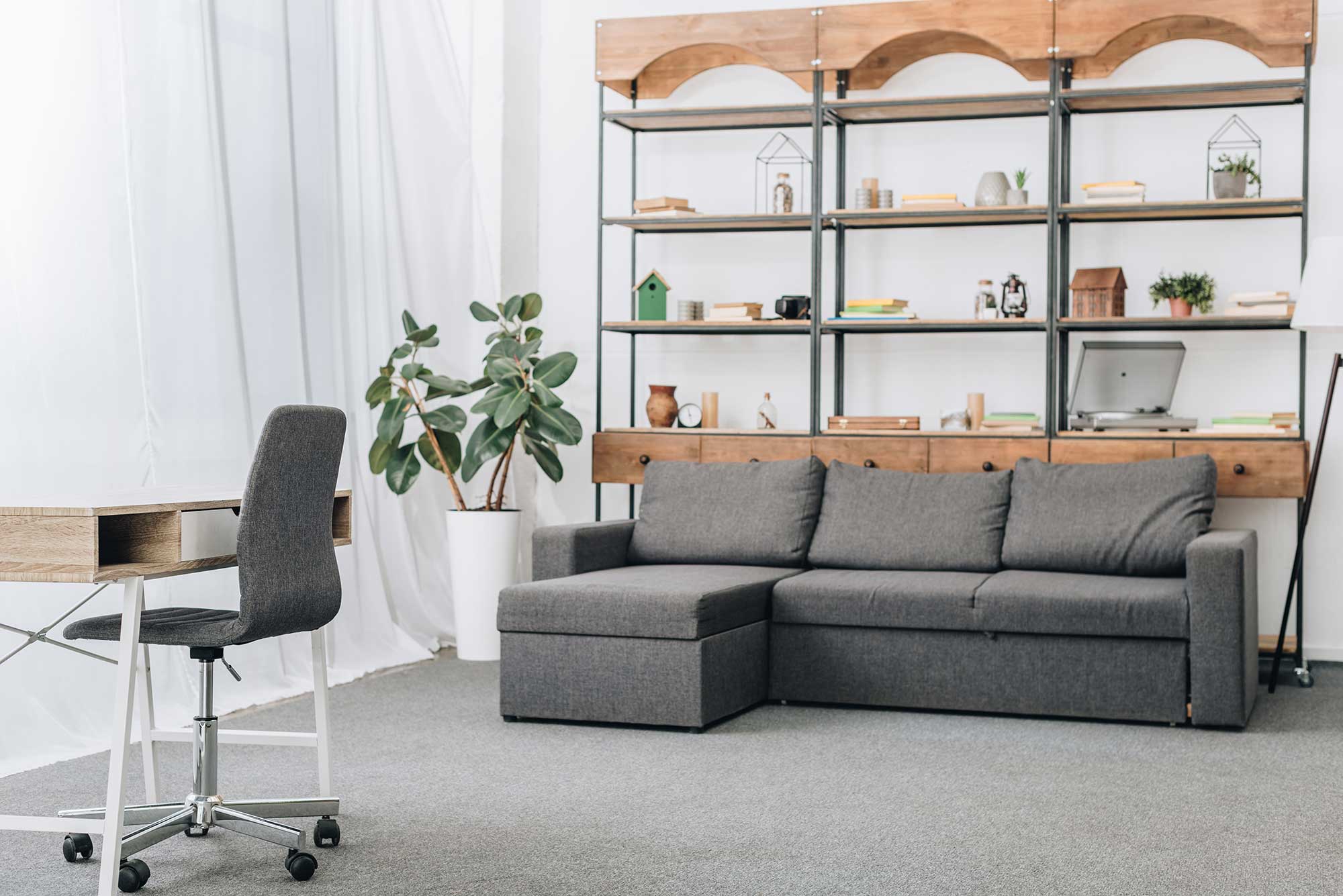
Combine different finishes—smooth metals, rustic wood, plush fabrics—to add richness.
- Idea: A polished marble countertop with vintage brass pendant lights.
6. Use Statement Vintage Pieces
Let one or two standout vintage items anchor the room while modern pieces keep it fresh.
- Showstoppers: A vintage chandelier, an heirloom rug, or a retro velvet sofa.